The term that christened the "do-it-yourself" (DIY) movement and gave rise to one of the most aggressive and visceral subgenres of rock has its historical origins in England between the 16th and 17th centuries. The word punk was used as slang to designate a young prostitute or someone considered despicable, carrying the connotation of something rotten. Over the centuries, the term was almost always used pejoratively.
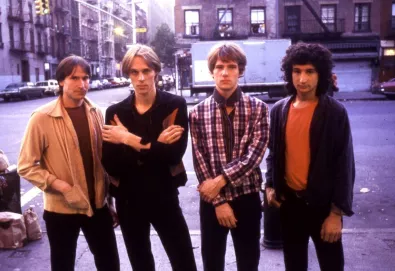
In music, the first records of the word's use date back to the 1960s, when critics used it to describe amateur bands that made a raw and primitive sound, associated with garage rock. From there, it didn't take long for this simple and poignant sonic aesthetic to become the movement that was popularized by the Ramones and the entire scene around CBGB — which had the fanzine Punk, founded in 1975, as a precursor in the dissemination of punk rock.
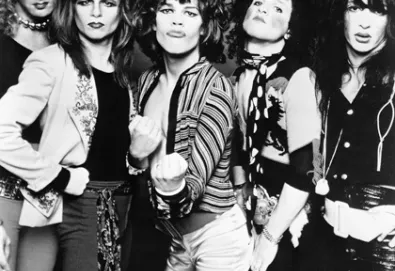
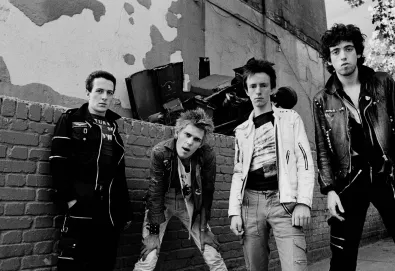
Before the Ramones, Sex Pistols, and The Clash, however, there were already bands like The Velvet Underground, The Stooges, MC5, New York Dolls, The Sonics, and Death, who established this visceral, raw, and intense sound. In retrospect, rock critics and writers began to label these groups as proto-punk.
Punk rock spawned several offshoots and subgenres, with Hardcore Punk and Pop Punk achieving the greatest visibility and commercial success.
The punk aesthetic and "do-it-yourself" methods influenced fashion and media in general, contributing to the growth of the indie scene, with the emergence of independent record labels and the consolidation of fanzine culture.