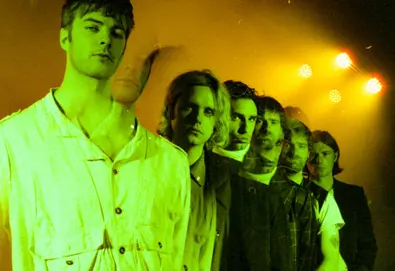
Few bands have transformed the history of rock as much as the Rolling Stones. With Keith Richards’ riffs, Mick Jagger’s stage presence, and a sound rooted in the blues, the British group made rebellion its identity and built a career spanning more than six decades. Their repertoire has incorporated country, soul, psychedelia, and disco without losing its connection to American rhythm and blues.
Formed in London in 1962, the band was born out of a meeting between Jagger and Richards and guitarist Brian Jones and pianist Ian Stewart. Bassist Bill Wyman and drummer Charlie Watts joined in the following months, solidifying the band’s classic lineup. Among their main influences were Muddy Waters—whose song “Rollin’ Stone” inspired the group’s name—Chuck Berry, Howlin’ Wolf, and Robert Johnson. Stewart left the official lineup in 1963 but continued to collaborate as a pianist and work behind the scenes until his death in 1985.
Following their debut album, The Rolling Stones (1964), the international success of “(I Can’t Get No) Satisfaction” (1965) cemented the Jagger–Richards songwriting partnership. Aftermath (1966) expanded their musical horizons, while Beggars Banquet (1968), Let It Bleed (1969), Sticky Fingers (1971), and Exile on Main St. (1972) marked one of rock’s most celebrated eras, featuring iconic tracks such as “Sympathy for the Devil,” “Gimme Shelter,” and “Wild Horses.”
This rise was also marked by tragedies. Brian Jones left the group in June 1969 and drowned the following month at the age of 27. Mick Taylor took his place and was part of the phase that solidified the band’s blend of blues, rock, and country. Also in 1969, the murder of a concertgoer during the Altamont festival made the event one of the darkest episodes in the band’s history. Taylor left in 1974 and was replaced by Ronnie Wood in 1975.
In the following years, the Stones revitalized their repertoire with Some Girls (1978), which incorporated the energy of punk and the groove of disco, and Tattoo You (1981), driven by “Start Me Up.” After tensions between Jagger and Richards in the 1980s, Steel Wheels (1989) marked the return to major tours. That same year, the band was inducted into the Rock and Roll Hall of Fame. Wyman officially left the group in 1993, and Darryl Jones took over on bass.
Albums such as Voodoo Lounge (1994), Bridges to Babylon (1997), and A Bigger Bang (2005) sustained their career in the following decades. In Brazil, where they made their debut in 1995, they performed a historic free concert on Copacabana Beach in 2006. Ten years later, they performed in Havana and revisited their roots on the blues cover album Blue & Lonesome.
The death of Charlie Watts in 2021 brought a pivotal chapter to a close. With Steve Jordan on drums, the group continued performing and released Hackney Diamonds (2023), their first album of new material in 18 years. In July 2026, Jagger, Richards, and Wood expanded on this legacy once again with the release of the album Foreign Tongues. With more than six decades on the road, the Rolling Stones continue to refresh their catalog and keep the legacy of rock alive on stage and in the studio.
- Origin: