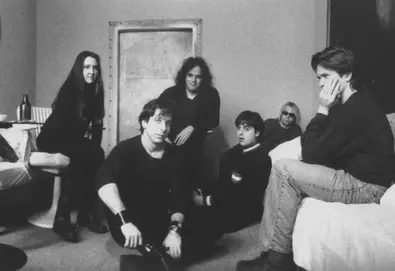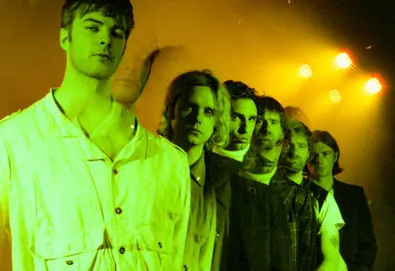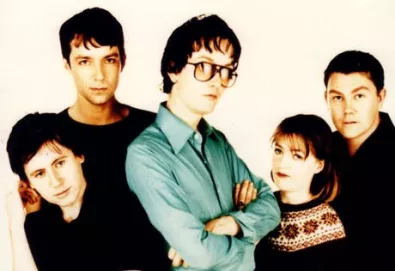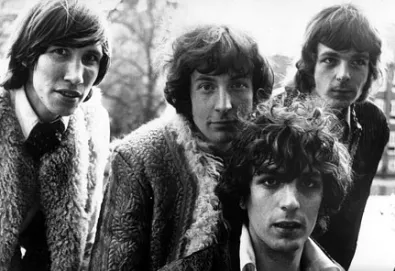

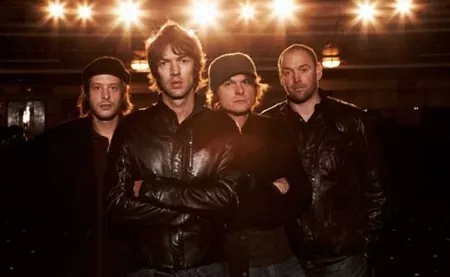
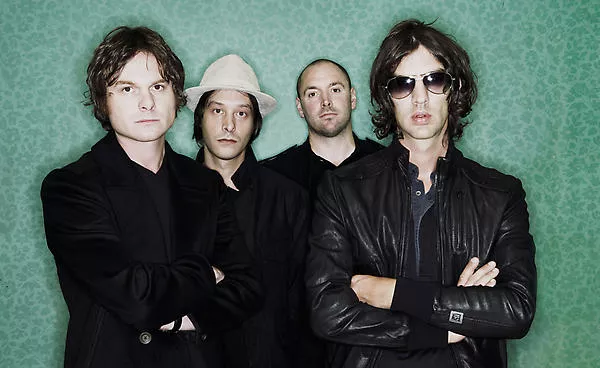


The Verve was formed in the English city of Wigan in 1989 by lead singer Richard Ashcroft, guitarist Nick McCabe, bassist Simon Jones, and drummer Peter Salisbury. With a sound initially marked by elements of psychedelic rock, space rock, and shoegaze, the band remained largely unknown to the general public during the early years of their career. That changed with the release of the successful album Urban Hymns, in 1997, driven mainly by “Bitter Sweet Symphony,” which became the band’s biggest hit.
Originally known simply as Verve, the group signed with Hut Records in 1991. The following year, they released the singles "All in the Mind," "She's a Superstar," and "Gravity Grave," as well as the EP Verve. Their first album, A Storm in Heaven, was released in 1993. Although it received positive reviews and reached No. 27 on the UK charts, the album was not a major commercial success.
In 1994, The Verve performed at the U.S. edition of the Lollapalooza festival. The band’s tour of the United States was tumultuous: Peter Salisbury was arrested after trashing a hotel room, while Richard Ashcroft had to be hospitalized due to dehydration. Around the same time, the band was forced to change its name following a legal dispute with the American jazz label Verve Records, and became known as The Verve.
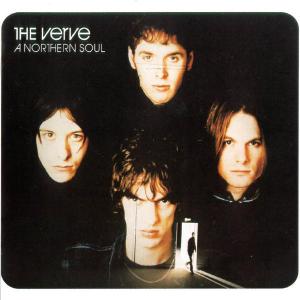
Their second album, A Northern Soul, was released in 1995. More intense and turbulent than their previous work, the album was recorded during a period of excess and conflict among the band members. Despite positive critical reception, sales were modest. Shortly after its release, Richard Ashcroft announced the band’s breakup, but the split lasted only a few weeks.
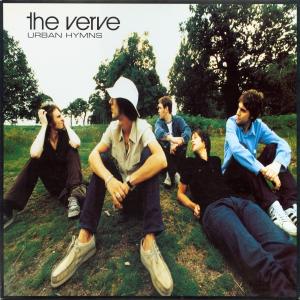
The group resumed activities initially without Nick McCabe, with guitarist and keyboardist Simon Tong joining the lineup. McCabe’s return during the production of the third album temporarily turned the group into a quintet. Released in 1997, Urban Hymns reached number one in the UK and established the band as one of the biggest names in British rock of the decade. In addition to “Bitter Sweet Symphony,” the album featured hits such as “The Drugs Don’t Work,” “Lucky Man,” and “Sonnet.”
The enormous success of Urban Hymns, however, did not put an end to the internal conflicts. In 1998, during the album’s promotional tour, McCabe left the group again. Without the guitarist, the band performed a few more shows before officially announcing another breakup in 1999. Richard Ashcroft resumed his solo career and, for years, ruled out any possibility of a reunion.
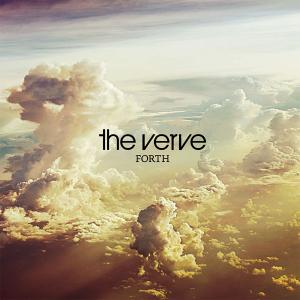
In 2007, Ashcroft, McCabe, Jones, and Salisbury began working together again and performed a series of shows. The following year, the band released Forth, their fourth studio album and their first in eleven years. The album reached the top of the UK charts and spawned the hit single “Love Is Noise.” After the tour ended, however, the band members went their separate ways once again. Rumors of a third breakup surfaced in 2009, and Ashcroft later confirmed that the group had once again disbanded.
An important chapter in the band’s history reached a new conclusion in 2019. For more than two decades, Richard Ashcroft had been deprived of the copyright and royalties for “Bitter Sweet Symphony” due to the use of a sample from an orchestral version of “The Last Time” by the Rolling Stones. Mick Jagger and Keith Richards voluntarily returned the songwriting credits and rights to the song to Ashcroft.
- Origin:
Featured Albums